Hands-on projects. Real Learning.
Epic fun. Best summer ever!
Don’t settle for just any camp. For over 20 years, families have been coming back to Galileo for high-quality curriculum, enthusiastic staff, and classic camp fun…and the way their kids love every minute of it.


A Day at Camp Galileo
Camp Galileo’s acclaimed curriculum combines STEAM exploration and outdoor fun for kids in grades K–10. Camp day: 9am–3pm Extended care available. AM care: 8–9am | PM care: 3–6pm
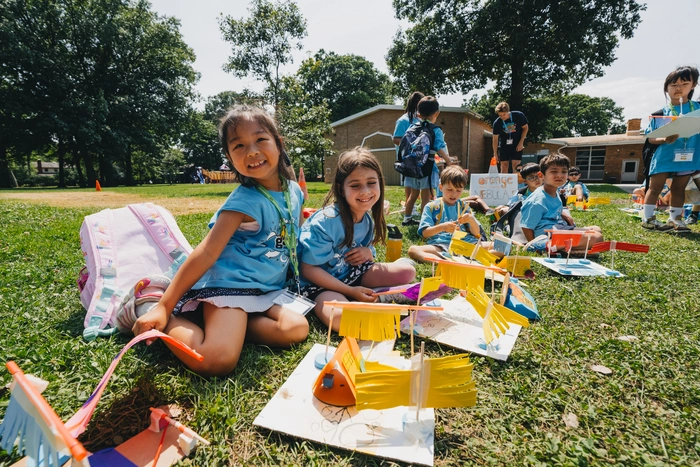
Kinder - 1st
Our Nebula Campers work on 1-2 day, age-appropriate projects individually and in small groups to challenge their thinking and test their perseverance.
-
 Optional AM Care
Families that need an early start can drop campers off for convenient pre-camp care from 8 am to 9 am.
-
 Opening Ceremony
Each day kicks off with an all-camp energizing opening ceremony full of songs, skits, and cheers.
-
 Innovator's Studio
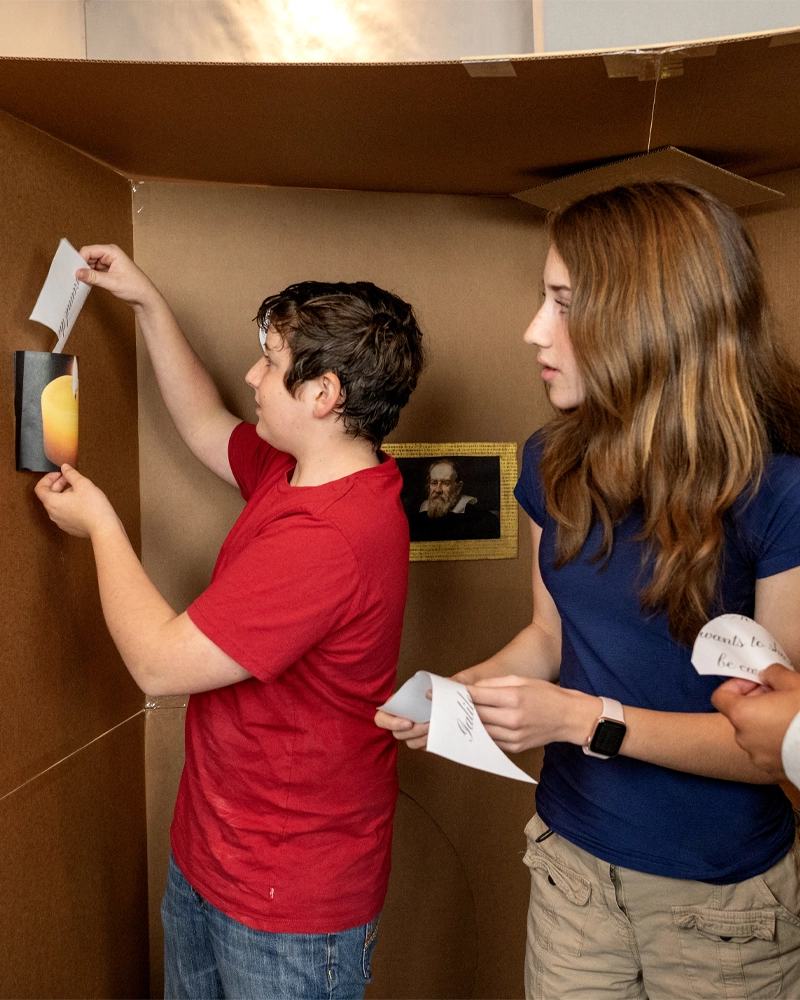
Campers build creative confidence by turning their ideas into individual, polished STEAM projects to take home every week.
-
 Snack Break
Campers take a nut-free snack break to refuel their brains and bodies.
-
 Idea Lab
Campers collaborate in small groups on daily design challenges, experiment with wild ideas and discover that sending their creations crashing down is all part of the fun—and learning!
-
Lunch/Free Play
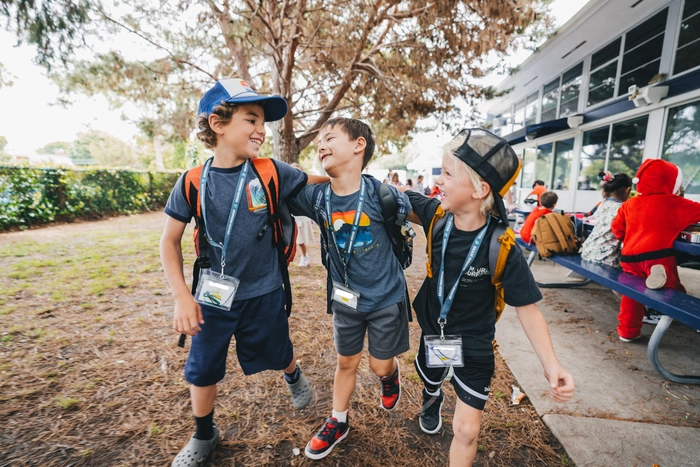
All-camp lunch and break. Campers eat lunch and play outside with friends.
-
 Outdoor Adventure
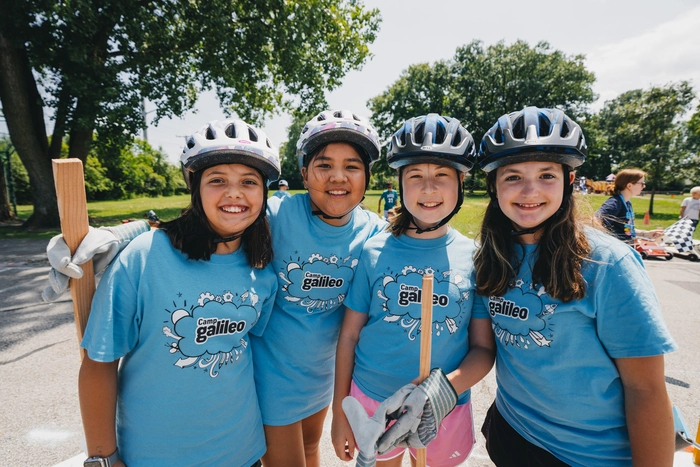
Campers play exciting outdoor games, take on team-building challenges with an innovative twist and engage in traditional camp fun.
-
 Closing Ceremony
We end the day together with a special all-camp gathering.
-
 Optional PM Care
Extended Care campers head to our exciting, inviting post-camp destination to keep the fun rolling from 3 pm–6 pm. Activities include outdoor time, lanyards and crafts.
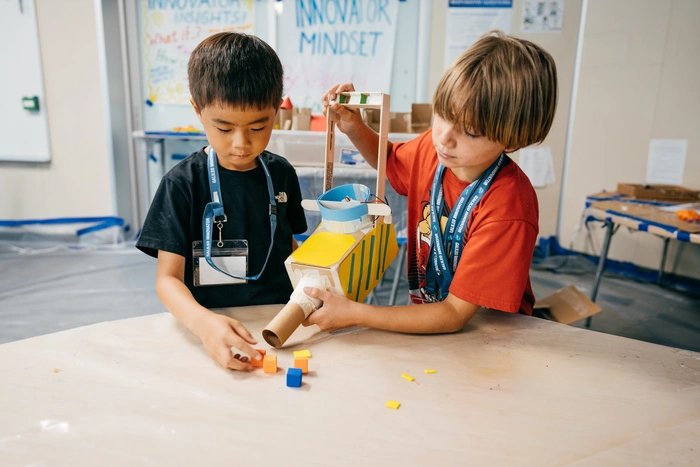
2nd - 3rd
Our Star Campers work on 1-2 day, age-appropriate projects individually and in small groups to challenge their thinking and test their perseverance.
-
Optional AM Care
Families that need an early start can drop campers off for convenient pre-camp care from 8 am to 9 am.
-
Opening Ceremony
Each day kicks off with an all-camp energizing opening ceremony full of songs, skits, and cheers.
-
Innovator's Studio
Campers build creative confidence by turning their ideas into individual, polished STEAM projects to take home every week.
-
Snack Break
Campers take a nut-free snack break to refuel their brains and bodies.
-
Idea Lab
Campers collaborate in small groups on daily design challenges, experiment with wild ideas and discover that sending their creations crashing down is all part of the fun—and learning!
-
Lunch/Free Play
All-camp lunch and break. Campers eat lunch and play outside with friends.
-
Outdoor Adventure
Campers play exciting outdoor games, take on team-building challenges with an innovative twist and engage in traditional camp fun.
-
Closing Ceremony
We end the day together with a special all-camp gathering.
-
Optional PM Care
Extended Care campers head to our exciting, inviting post-camp destination to keep the fun rolling from 3 pm–6 pm. Activities include outdoor time, lanyards and crafts.
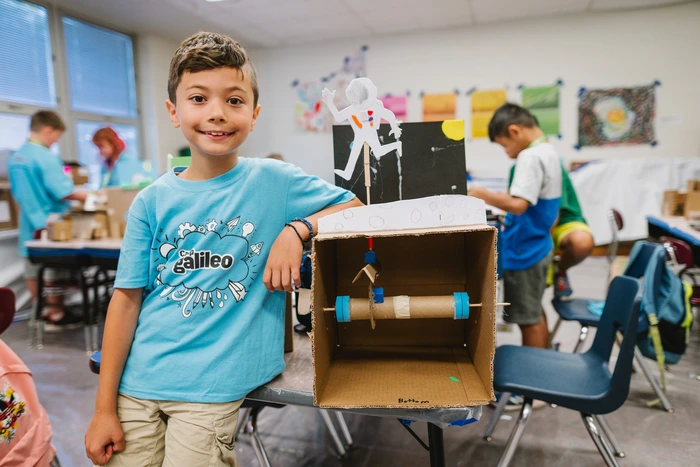
4th - 5th
Supernova campers work to complete small group challenges and work on longer, individual projects that test their determination.
-
Optional AM Care
Families that need an early start can drop campers off for convenient pre-camp care from 8 am to 9 am.
-
Opening Ceremony
Each day kicks off with an all-camp energizing opening ceremony full of songs, skits, and cheers.
-
Innovator's Studio
Campers build creative confidence by turning their ideas into individual, polished STEAM projects to take home every week.
-
Snack Break
Campers take a nut-free snack break to refuel their brains and bodies.
-
Idea Lab
Campers collaborate in small groups on daily design challenges, experiment with wild ideas and discover that sending their creations crashing down is all part of the fun—and learning!
-
Lunch/Free Play
All-camp lunch and break. Campers eat lunch and play outside with friends.
-
Outdoor Adventure
Campers play exciting outdoor games, take on team-building challenges with an innovative twist and engage in traditional camp fun.
-
Closing Ceremony
We end the day together with a special all-camp gathering.
-
Optional PM Care
Extended Care campers head to our exciting, inviting post-camp destination to keep the fun rolling from 3 pm–6 pm. Activities include outdoor time, lanyards and crafts.
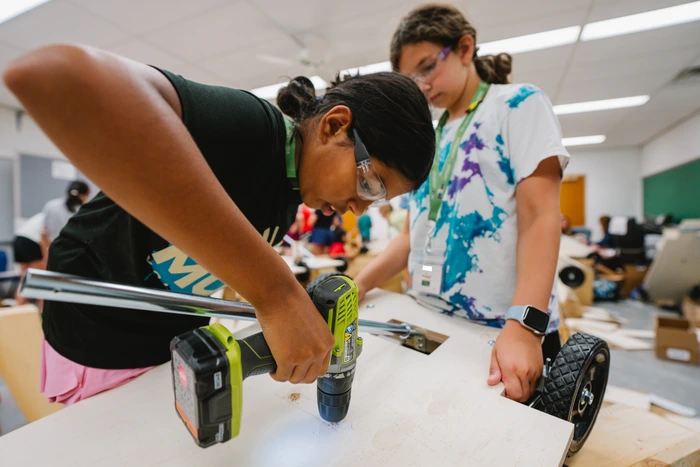
6th - 8th
Our Middle schoolers campers, Meteors, work on one epic individual project throughout the week. They collaborate with others to provide feedback and a helping hand.
-
Optional AM Care
Families that need an early start can drop campers off for convenient pre-camp care from 8 am to 9 am.
-
Opening Ceremony
Each day kicks off with an all-camp energizing opening ceremony full of songs, skits, and cheers.
-
Individual Project Work
Campers focus on one amazing week-long project, building incredible new skills as they transform their grand vision into reality.
-
Lunch/Free Play
Campers take a nut-free snack break to refuel their brains and bodies.
-
 More Project Time
Campers get back to work on their epic projects with help from inspiring instructors, sophisticated tools and like-minded peers.
-
Closing Ceremony
We end the day together with a special all-camp gathering.
-
Optional PM Care
Extended Care campers head to our exciting, inviting post-camp destination to keep the fun rolling from 3 pm–6 pm. Activities include outdoor time, lanyards and crafts.
Counselor in Training
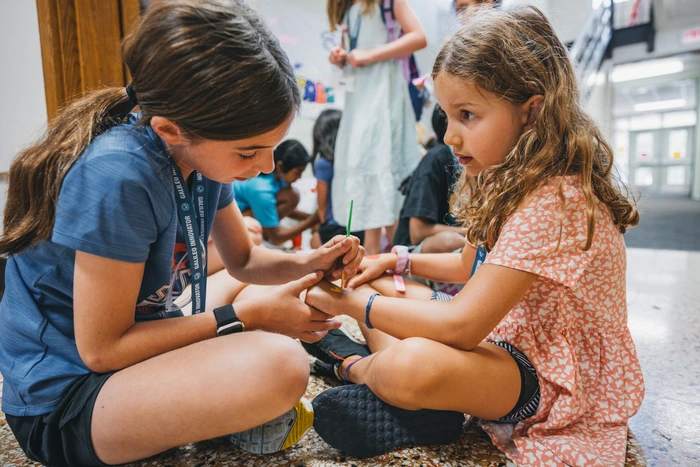
CITs are leaders at camp. They engage in leadership development activities and own projects within a camp aspect of their choosing.
-
Optional AM Care
Families that need an early start can drop campers off for convenient pre-camp care from 8 am to 9 am.
-
Opening Ceremony
Each day kicks off with an all-camp energizing opening ceremony full of songs, skits, and cheers.
-
 Leadership Development / Team Building
Counselors in training shadow K–5th-grade campers, observe and support Galileo staffers in action, mentor younger kids and get personalized coaching from experienced instructors.
-
 Camp Mentorship
Counselors in training shadow K–5th-grade campers, observe and support Galileo staffers in action, mentor younger kids and get personalized coaching from experienced instructors.
-
Lunch
CITs eat lunch together and spend time with friends.
-
 Camp Magic
CITs help make camp magic by devising Water Day stations, leading skits, planning flash mobs, crafting flair and more. They also tackle hands-on design challenges from engineering launchers and golf-courses, to putting on mini Olympics.
-
Closing Ceremony
We end the day together with a special all-camp ceremony.
-
Optional PM Care
Extended Care campers head to our exciting, inviting post-camp destination to keep the fun rolling from 3 pm–6 pm. Activities include outdoor time, lanyards and crafts.






Classic Camp Fun
We ensure campers have an unforgettably fun summer by complementing our exciting projects and innovation work with traditional day camp activities such as:

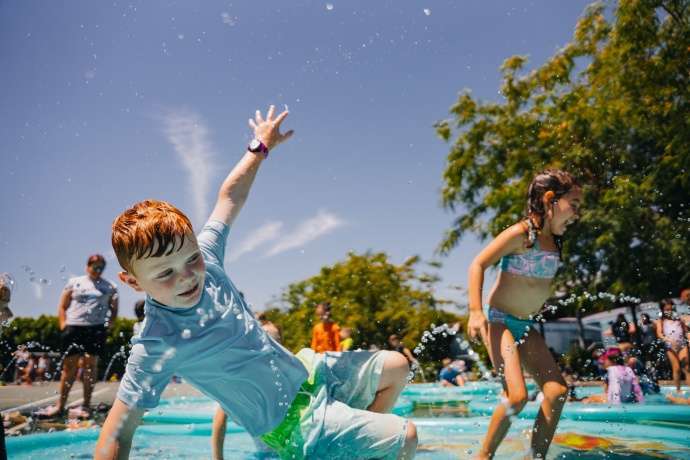
Water Day
A Camp Galileo tradition, our weekly Water Day is a blast for campers of all ages who get soaked with a variety of water-based activities.

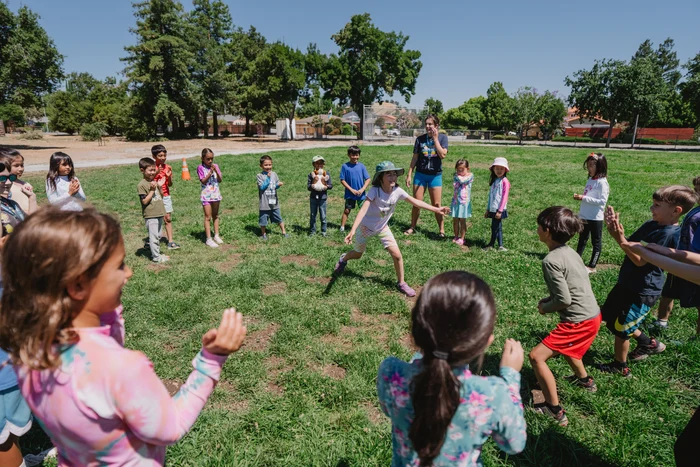
All Camp Activities/Games
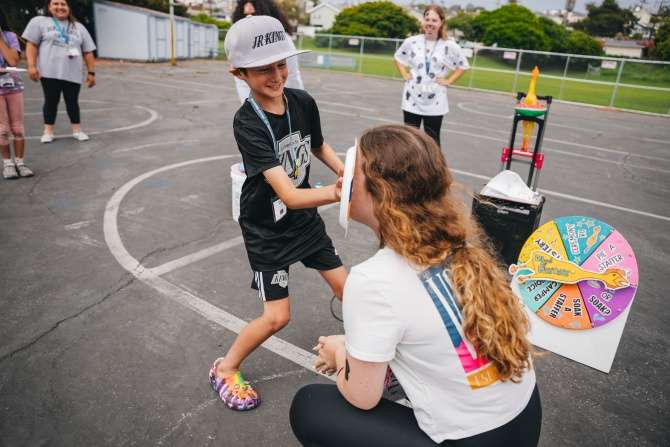
We gather everyone together throughout the week for all-camp fun and games, including ceremonies, skits, the Wheel of Misfortune, Capture the Rubber Chicken, and more!

Theme Days
From team color day to crazy hat day to Jalloween (Halloween in July!), our weekly theme days give every Galilean a chance to show their camp spirit.

Camp Magic
Our beloved traditions—fun machine runs, pies to the face, rubber chicken cheers, and pin ceremonies—make Camp Galileo magical.
A Camp Galileo tradition, our weekly Water Day is a blast for campers of all ages who get soaked with a variety of water-based activities.
We gather everyone together throughout the week for all-camp fun and games, including ceremonies, skits, the Wheel of Misfortune, Capture the Rubber Chicken, and more!
From team color day to crazy hat day to Jalloween (Halloween in July!), our weekly theme days give every Galilean a chance to show their camp spirit.
Our beloved traditions—fun machine runs, pies to the face, rubber chicken cheers, and pin ceremonies—make Camp Galileo magical.
Find the Camp Galileo Closest to You

What Families Say



Innovation for All
We offer sliding scale scholarships in every community we serve so that all children, regardless of financial situation, have the opportunity to become innovators.
Learn MoreSpend the Summer with Galileo
And see what makes us a parent favorite!

Curriculum
Grounded in the legendary Galileo Innovation Approach and designed by educators, our hands-on, STEAM-based curriculum captures kids' imaginations and builds lasting skills.

Skill Building
A full summer at Galileo offers new projects every week, plus the opportunity for campers to deepen friendships, boost confidence and level up their skills week after week (and year after year).

Convenience
With 60+ neighborhood locations across the country, there’s bound to be a Galileo near you. We support Galileo families with comprehensive extended care (8am–9am and 3pm–6pm).

People
Our experienced, enthusiastic Camp Directors and staffers are experts at making every child feel included, creating camp magic and facilitating new friendships in small groups with a 12:1 camper-to-staff ratio and 10:1 ratio for K-1st graders.

Our Impact is Real
In a multi-year study, researchers from the Stanford Graduate School of Education found that Galileo campers tend to persevere in the face of unfamiliar challenges, share their ideas more freely and respond better in the face of failure.